How to Spot Fake vs. Real Crystals: A Buyer's Guide
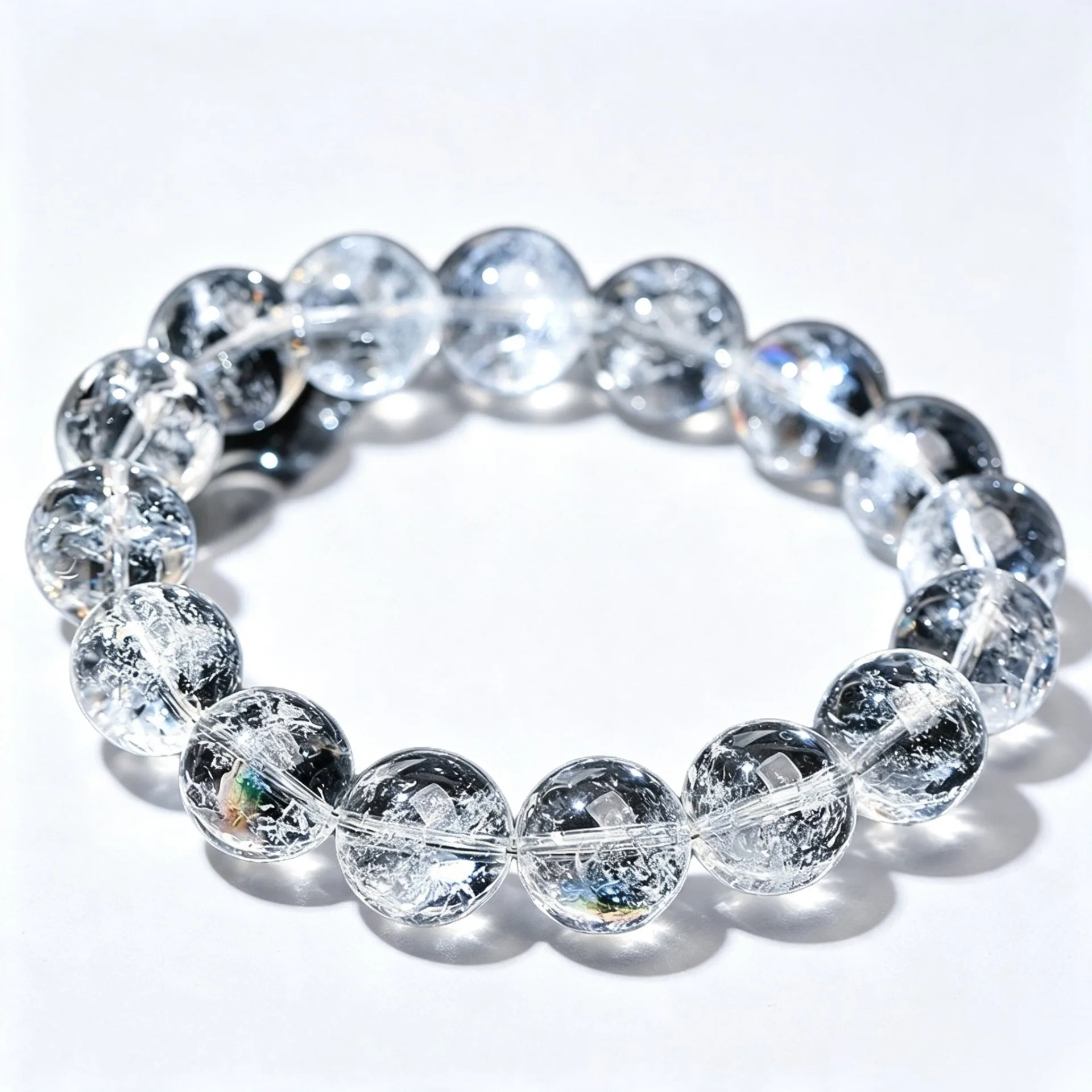
As crystals have gone mainstream, so have counterfeits. Glass, dyed quartz, and resin imitations now fill many marketplaces. The good news: with a few simple checks, you can protect yourself and buy with confidence.
1. The Temperature Test
Real crystals feel cool to the touch and stay cool longer than glass. Hold the stone in your palm for thirty seconds. Glass warms almost immediately; a genuine quartz or amethyst will still feel slightly cool.
2. Look for Imperfection
Nature is not uniform. Genuine stones show tiny inclusions, uneven color, and natural striations. A stone that is perfectly clear, perfectly uniform, and suspiciously flawless is often glass or synthetic.
3. The Bubble Check
Hold the stone up to bright light. Air bubbles trapped inside are a tell-tale sign of glass. Real crystal may have mineral inclusions that look like wisps or feathers — never round bubbles.
4. Weight & Density
Crystals are denser than they look. A "stone" that feels oddly light for its size may be resin or plastic. Compare two similar-sized pieces; the heavier one is usually real.
5. Watch the Price
If a large, vividly colored "rare" crystal costs next to nothing, be skeptical. Genuine rarity carries a price. Deeply discounted "Citrine" points or neon-bright stones are frequently heat-treated or dyed.
6. Ask for Provenance
Reputable sellers share where a stone was mined and will stand behind authenticity. At Aurae, every piece is sourced from known mines and inspected before it reaches you. When in doubt, buy from sellers who do the same.